Industrial Symbiosis: A New Framework for Resource Efficiency in Montenegro

Montenegro has taken an important step towards developing industrial symbiosis as a practical tool for more efficient resource use and the transition towards a circular economy.

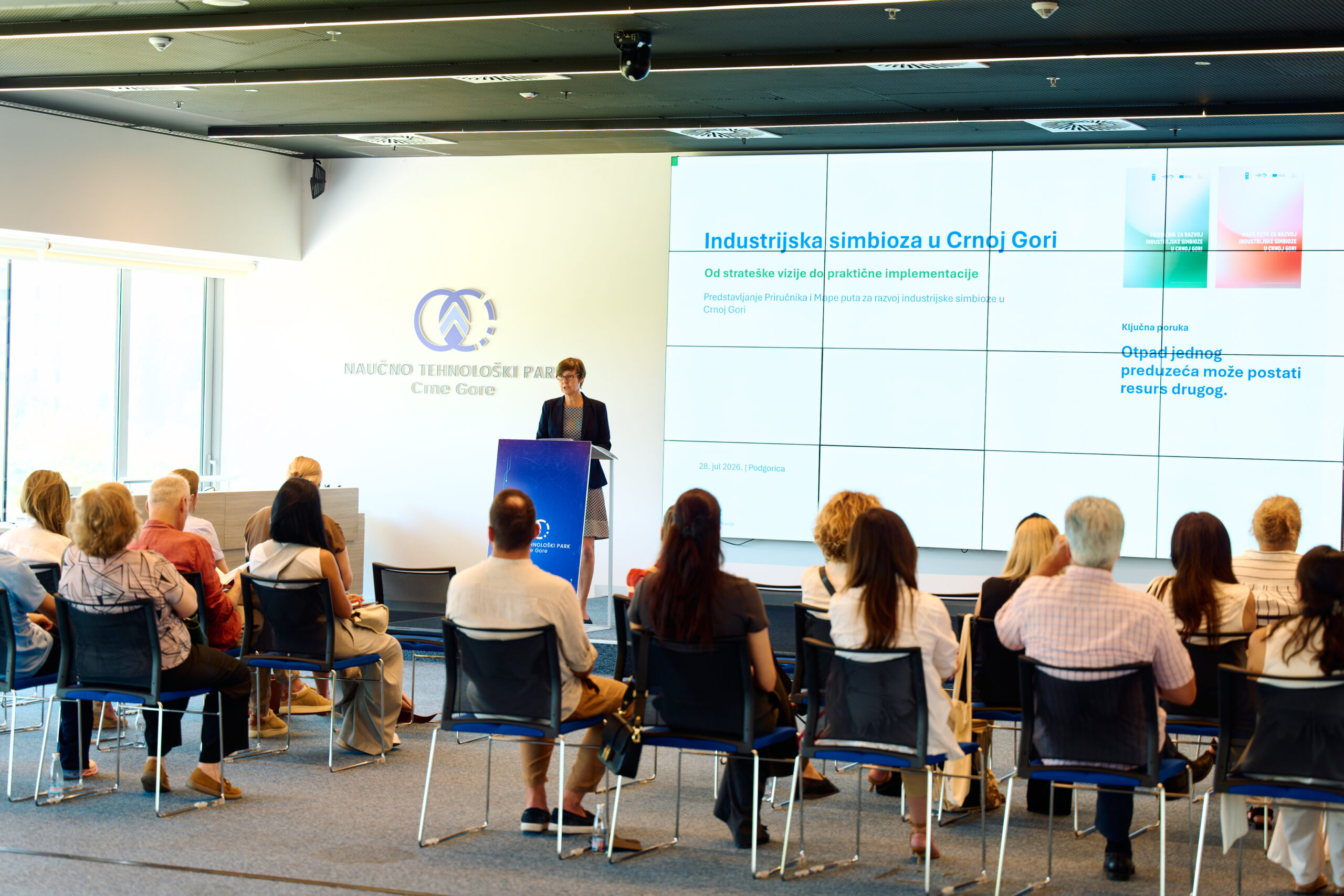
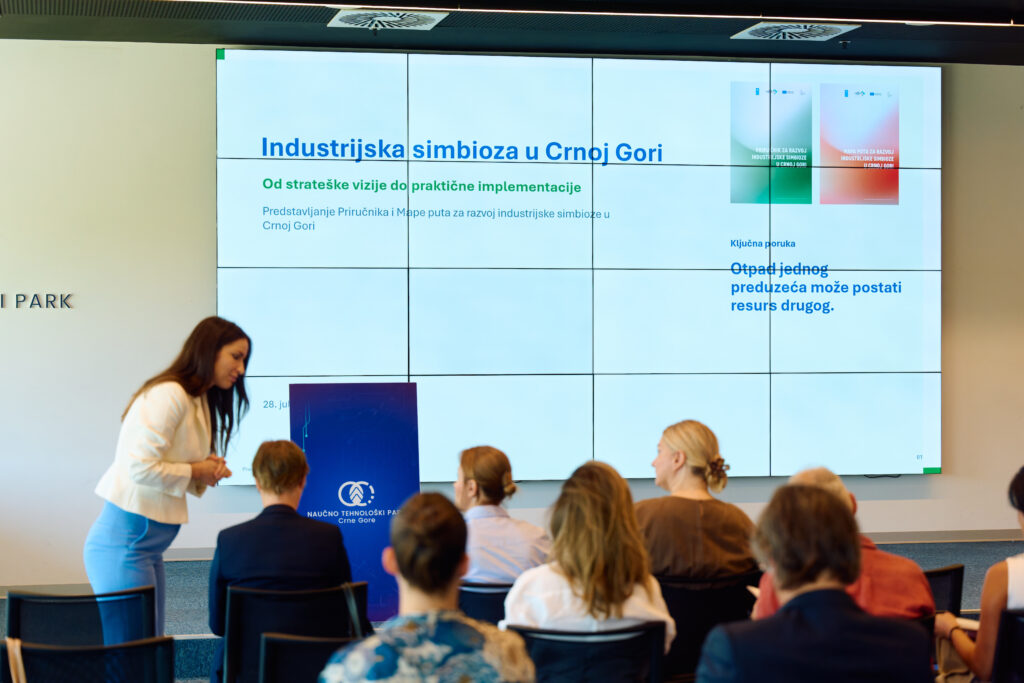
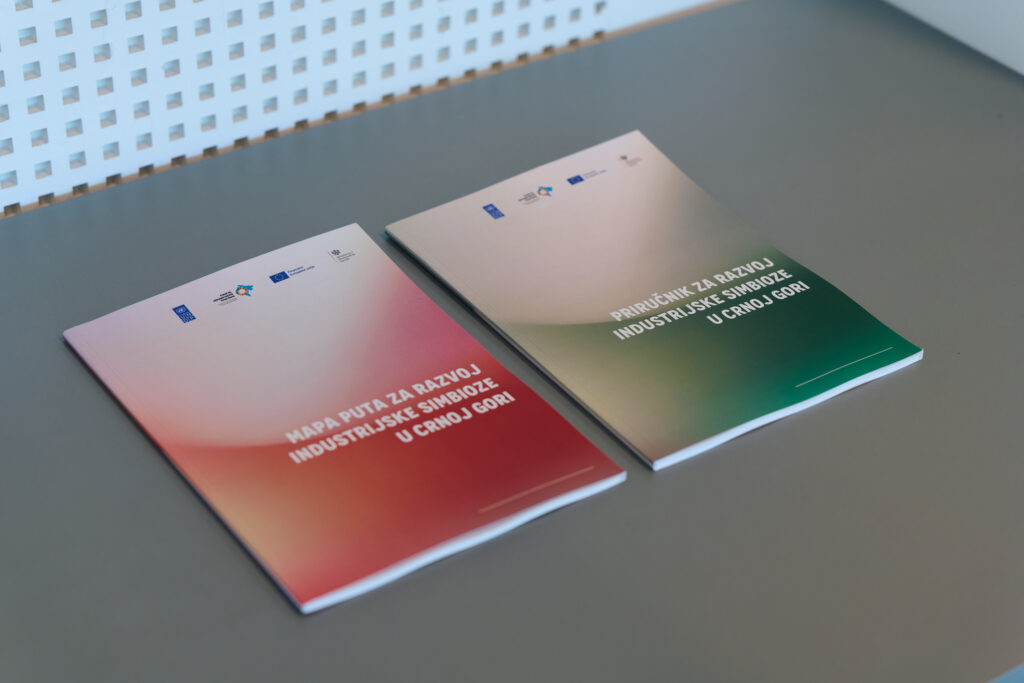
On 28 July 2026, the Ministry of Economic Development and UNDP Montenegro presented the first national Handbook for the Development of Industrial Symbiosis in Montenegro and the Roadmap for Industrial Symbiosis Development in Montenegro. The publications provide practical guidance for businesses and an institutional framework for developing industrial symbiosis, including roles of key stakeholders, pilot activities, financing mechanisms, and monitoring.

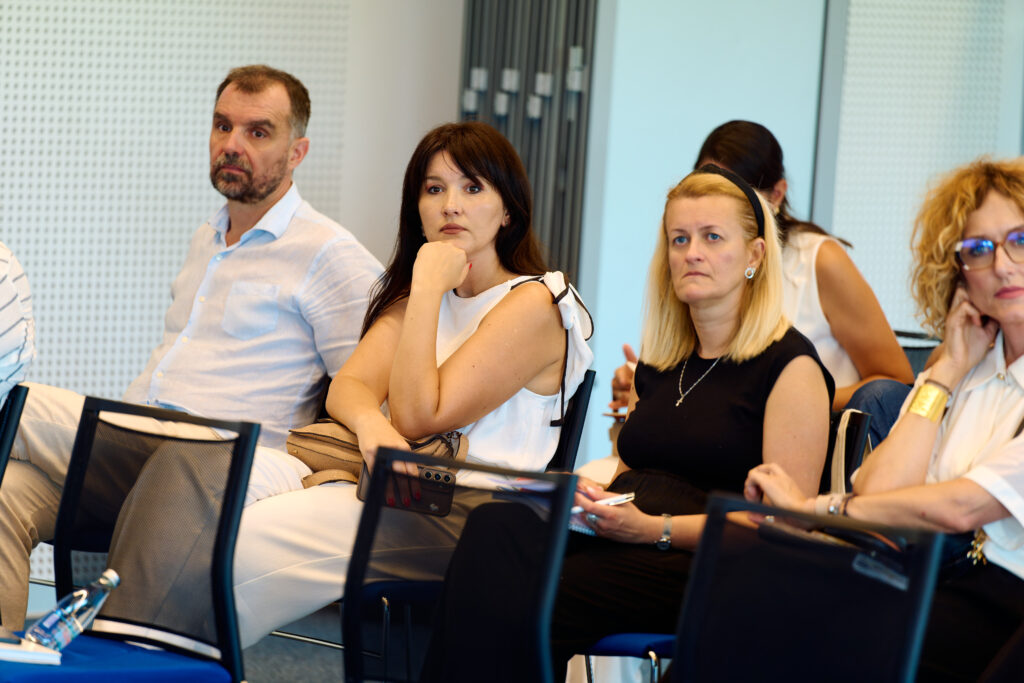
The event brought together representatives of public institutions, local governments, businesses, and academia to discuss opportunities for developing partnerships in which resources, by-products, and waste from one company can become valuable inputs for another.

The initiative is part of the project “Circular Transition and Responsible Business Behaviour in Montenegro”, implemented by the Ministry of Economic Development in cooperation with UNDP and ILO, with EU support through the Montenegro SDG Acceleration Fund.

The next phase will focus on putting the Handbook and Roadmap into practice through cooperation with businesses and institutions, including technical support, pilot projects, and financial mechanisms for companies interested in developing industrial symbiosis solutions.

BIM for public administration in West Region, Romania

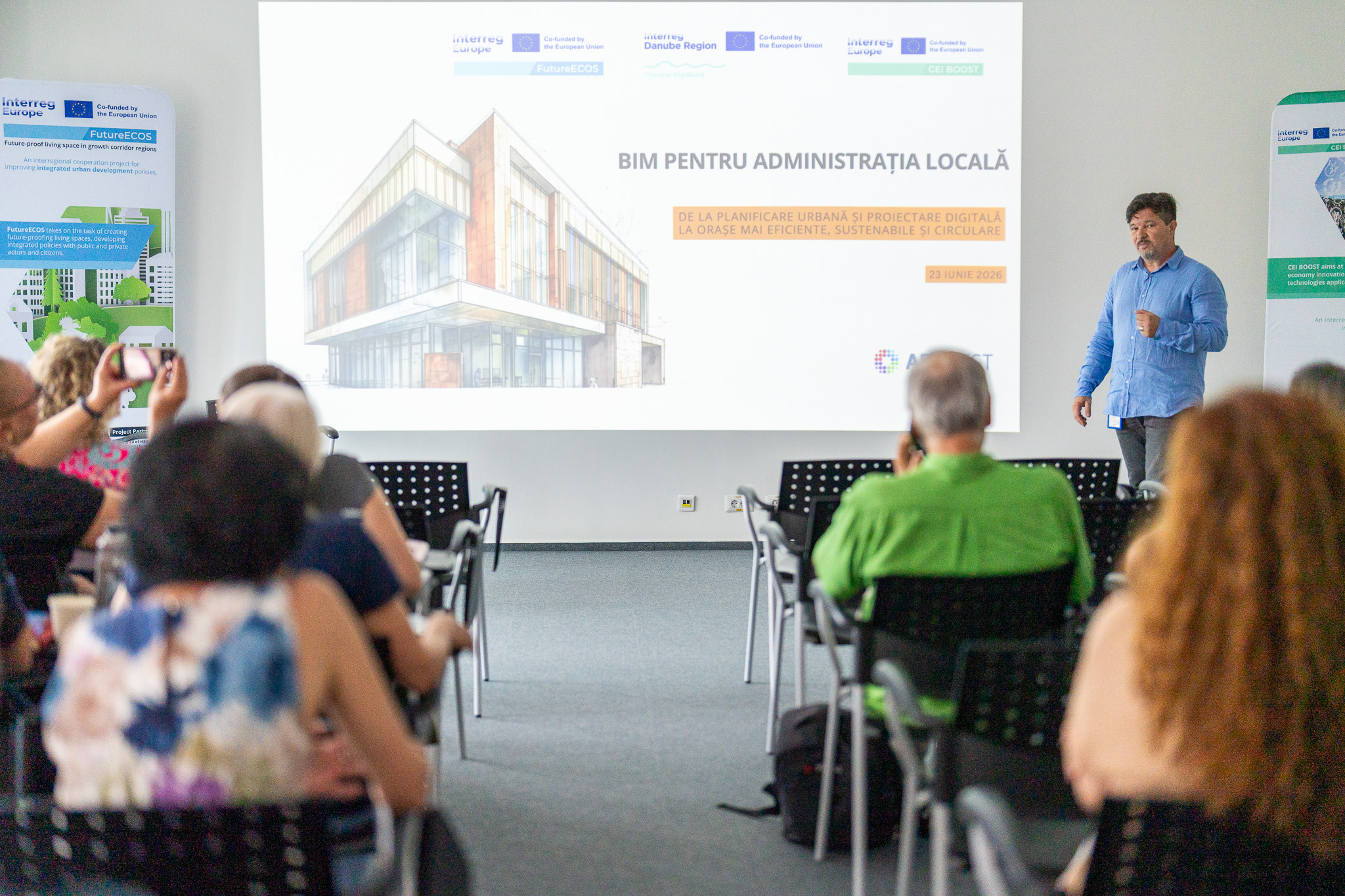
When we see a new building, a modernized school, or a renovated park, we rarely think about everything that happens before the project reaches the construction site. Plans, calculations, simulations, cost estimates, and hundreds of decisions that can make the difference between an efficient project and one that generates problems for years. We discussed how these decisions can be improved with the help of technology, at the event “BIM for local administration: from urban planning and digital design to more efficient, sustainable and circular cities”, hosted by ADR Vest on 23rd of June, 2026. Representatives of local administrations from the West Region learned how BIM (Building Information Modeling) can transform the way public investments are designed and managed. In short, BIM means fewer design errors, more accurate cost estimates, and more efficient long-term management of buildings and infrastructure. The event brought together the experiences and objectives of three European projects – FutureECOS, CEI BOOST, and Circular DigiBuild – which share one common goal: using digitalization to build more sustainable and future-ready communities.

Because developing a region is not just about building more, but building smarter.

New Montenegrin S3 Strategy creates research and innovation opportunities for construction industry

Montenegro’s Smart Specialization Strategy (S3 Strategy) is a national-level document coordinated by the Ministry of Education, Science and Innovation. The key institution of operational and financial support for innovation activities is the Innovation Fund of Montenegro, through the implementation of the innovation and startup ecosystem support program. The Fund implements programs for financing innovation projects, including support for the development of startup companies, the commercialization of research results and the development of innovative products and services, which contributes to strengthening cooperation between the scientific research sector and the economy, as well as to the development of innovation culture in society.

The Smart Specialization Strategy functions as an umbrella strategic document in the field of innovation and development, unifying various sectoral and horizontal policies and harmonizing them with national and European strategic frameworks. Thus, the Strategy becomes a key instrument for strategic planning and monitoring the development of the national innovation system, ensuring consistency and continuity in the achievement of development priorities at all levels. On the other hand, the Montenegrin S3 strategy is of particular importance in the context of the process of accession to the European Union, as it represents a key instrument for harmonizing the national innovation and industrial policy with the strategic framework of the EU. 

In the first round of the “Smart Specialization Strategy of Montenegro 2019-2024” the Construction industry was not identified as the priority area, but it was partly mentioned in the area of “Energy and sustainable environment”. As a result, during that period the Innovation Fund of Montenegro co-financed three projects under the Collaborative Grants Programme, totaling more than €0,5M investment, which have significant applications in the construction sector, also confirming the relevance of cross-sectoral innovation. Due to it, one of the projects named “New environmentally friendly thermal insulation materials based on ash and waste plastic” is now executed by private Montenegrin entrepreneur “Mont Way DOO Podgorica” in collaboration with the Faculty of Metallurgy and Technology of the University of Montenegro. It is expected that the optimal recipe for the production of this material will be developed as part of the project, which will use plastic waste and industrial waste from the Thermal Power Plant in Plevlja in the production of the new building material which can be offered to the Montenegrin construction market.

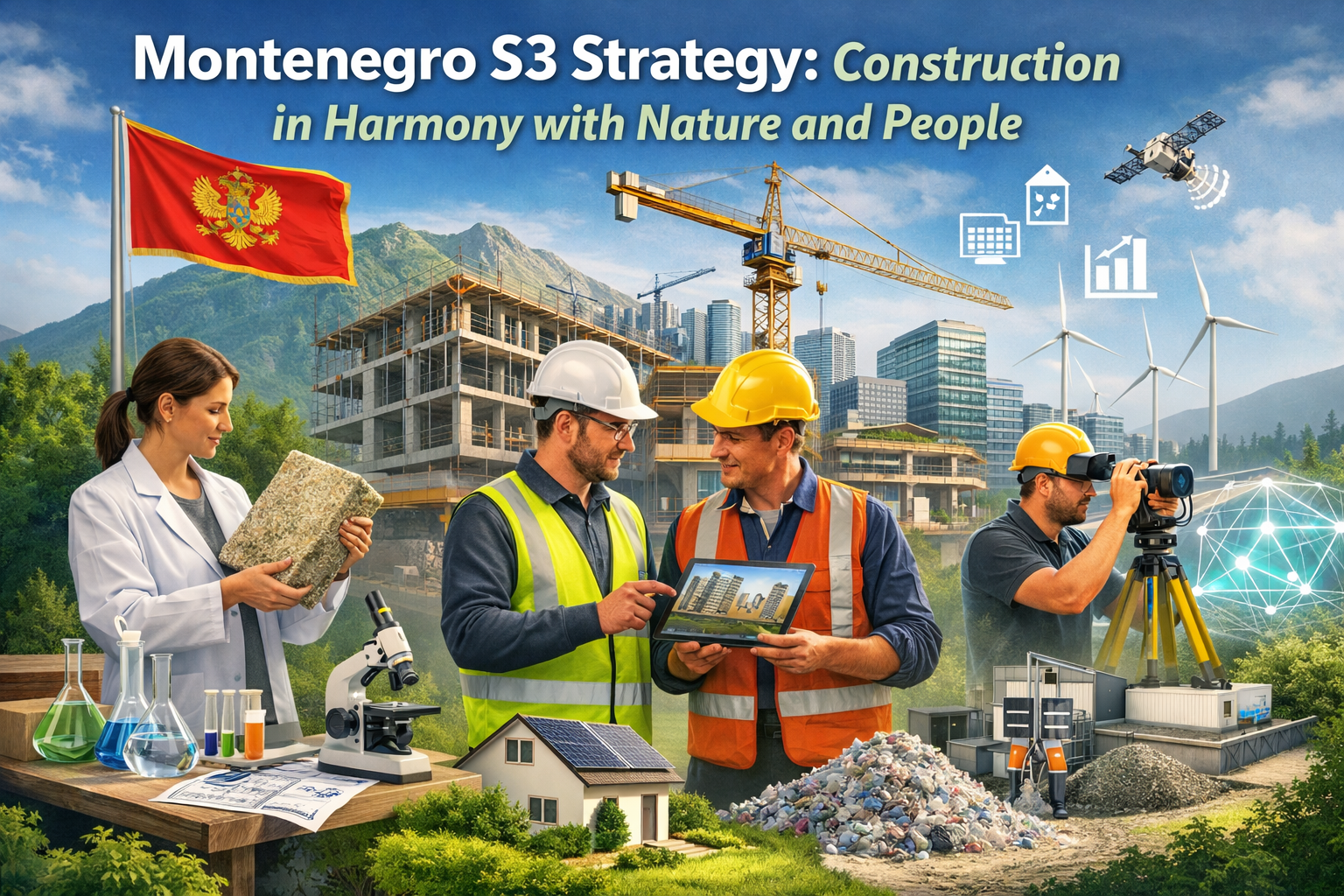
Recently the Government of Montenegro has adopted a new “Smart Specialisation Strategy of Montenegro 2026–2031”, together with the Action Plan for the period 2026–2027. In this round S3 already includes the construction sector as the priority area with one of the greatest development and market potential. The formulation of the strategic priority is identified as “Construction in Harmony with Nature and People” and the vision of this area is described as “To increase the competitiveness and added value of the construction sector through technological modernization, digital transformation and the application of sustainable and innovative solutions”. 

The just published S3 identifies structural weaknesses in the construction sector — lack of skilled workforce, limited innovation and digitalization, and insufficient institutional support — as critical barriers to competitiveness. To overcome these, the strategic goal is to increase the sector’s added value through technological modernisation, digital transformation, and sustainable solutions, measured by growth in gross value added. Key sector priorities include establishing a functional e‑business system for issuing construction permits to improve transparency and efficiency, strengthening the institutional‑regulatory framework and human capacities to enable widespread adoption of digital tools such as BIM and GIS, and embedding continuous training programmes to build digital skills. Together, these priorities aim to modernise processes, reduce costs and risks, foster innovation, and position Montenegro’s construction sector as a competitive and sustainable driver of economic growth.

Best practice of Luštica Bay: Leadership in Energy & Environmental Design

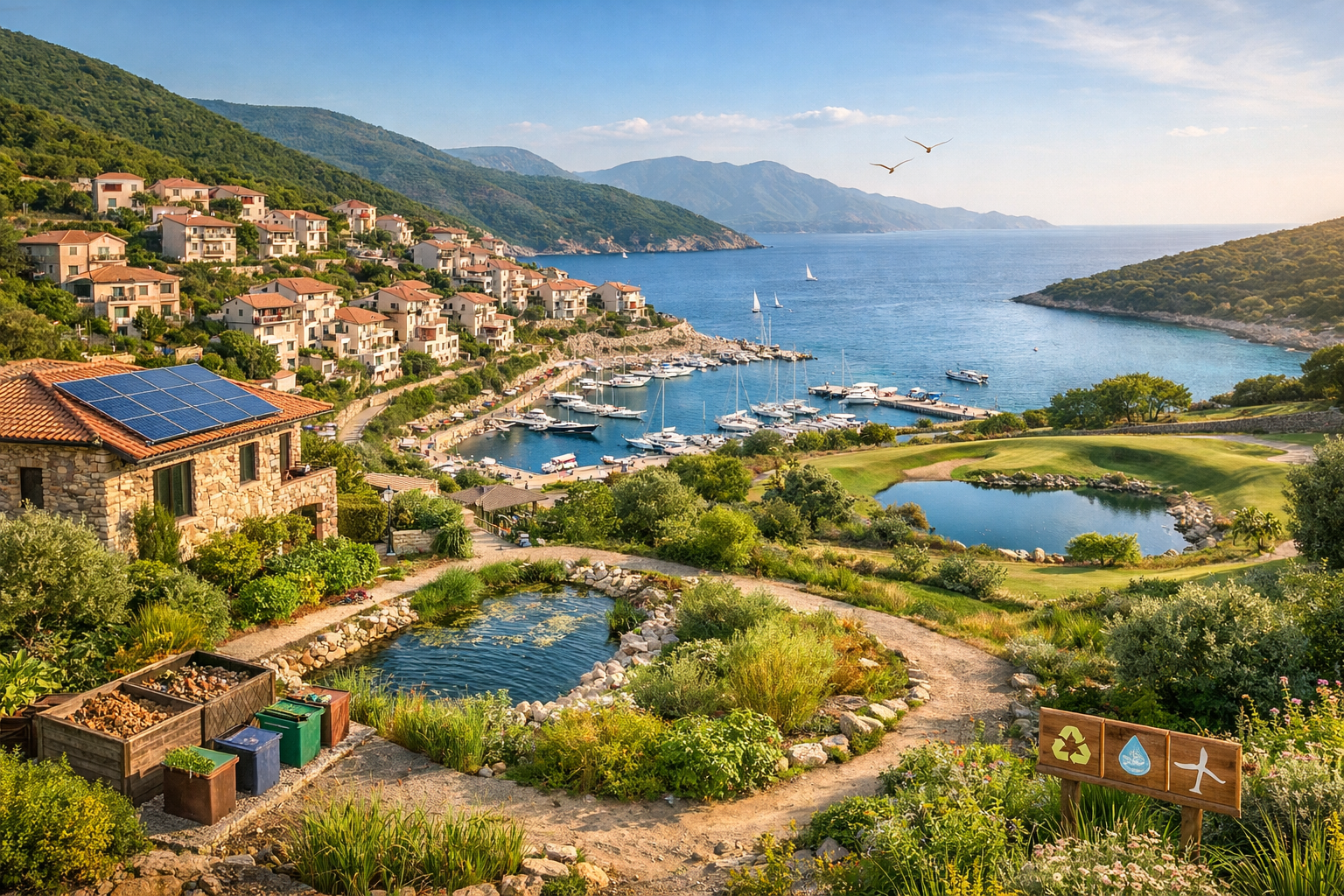
In Montenegro, over the past 10 years, several large scale construction projects have been successfully realized, which in essence created entire mini cities along the Montenegrin coast such as Porto Montenegro and Porto Novi. Spatial attention pays Luštica Bay project, which stands out as Montenegro’s flagship circular construction example, embedding ecofriendly construction, and holds a LEED Silver certificate for applying LEED for Homes standards across an entire residential community.

LEED, or Leadership in Energy and Environmental Design, is an internationally recognized world’s most widely used green building rating system that is focusing on categories such as sustainable sites, water efficiency, energy and atmosphere, materials and resources, indoor environmental quality, and innovation in design. It aims to improve occupant well-being, environmental performance, and economic returns through established and innovative practices, awarding points for specific goals to achieve various levels of certification.

Luštica Bay stands out as the first residential project in Europe to apply LEED for Homes standards across an entire community, earning a Silver rating. Its approach integrates circular construction and operation, replacing the traditional “take make waste” model with resource looping, reduced material extraction, and local lifecycle management. Energy saving designs—such as natural ventilation, high level insulation, and smart construction methods—are projected to cut consumption by one third compared to regional averages.

Luštica Bay’s architectural concept was inspired by the old stone houses of the Adriatic towns. However, the luxury development also requires the luxury comfort of thermal insulation in line with the LEED Certification requirements. To that end, a unique cost-effective facade system that combines the thermal and waterproofing insulation requirements with the cladding of natural stones was developed. Thanks to these efforts, the first phase of the project was awarded the Gold LEED Certification.

Worth to mention also that developers to minimize virgin material use by reprocessing excavated rock and soil on site, while capping development at just 10% of the peninsula where the Luštica Bay is located to preserve biodiversity. Water recovery systems ensure efficient reuse, and The Chedi Hotel demonstrates zero waste operations through strict segregation, composting, and recycling. Together, these measures show how Luštica Bay project embeds sustainability into every layer of construction and exploitation of buildings, setting a benchmark for Montenegro’s coastal development.

CiDiCon Cluster Promotion and Dissemination in Montenegro

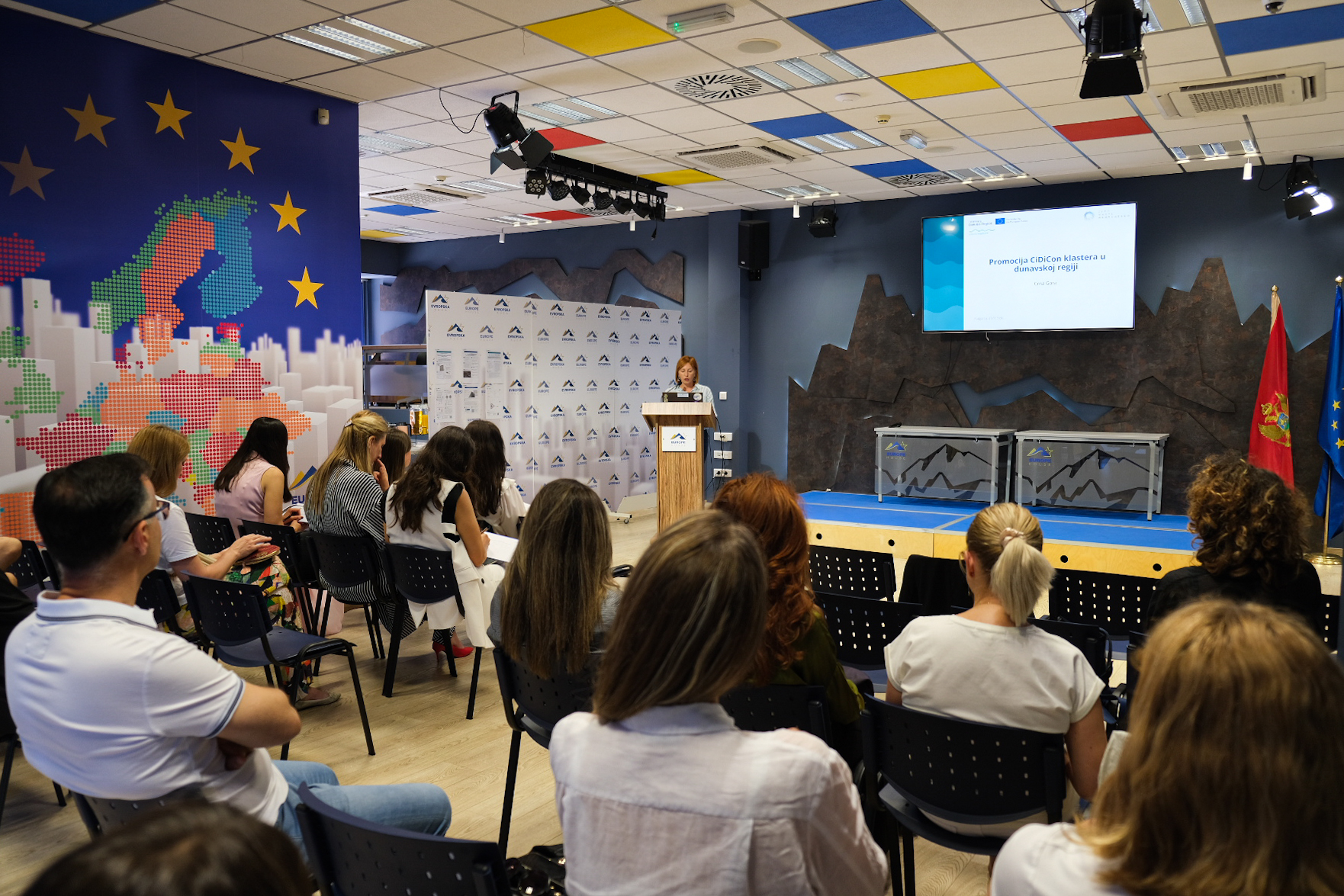
On May 27, at the European House in Podgorica, Zero Waste Montenegro, within the framework of the Circular DigiBuild, organized the promotion of the international CiDiCon Cluster together with the B2B networking platform.

The CiDiCon Cluster was presented as a transnational hub for circular and digital construction, designed to connect institutions, businesses, academia, and civil society across the Danube Region. Its mission is to foster innovation, strengthen cooperation, and accelerate the transition of the construction sector towards sustainability and resilience.

Alongside the cluster, the B2B platform was introduced as a practical tool for networking and collaboration. It enables organizations and professionals to find partners from 14 countries of the Danube Region, opening new opportunities for joint projects, knowledge exchange, and market expansion.

Discussions at the event highlighted the transformative potential of circular and digital construction for Montenegro’s building industry. Speakers emphasized both the challenges and opportunities for digital transformation, while showcasing policies and best practices from Danube Region countries that encourage circular solutions in construction.

The meeting brought together representatives of relevant ministries and institutions, the Faculty of Civil Engineering and the Faculty of Architecture of the University of Montenegro, MSMEs and startups, large construction companies, as well as other actors of the quadruple helix. Through open dialogue, participants provided valuable recommendations for improving construction policies and offered proposals for collaboration at local and regional levels.

A notable academic contribution came from the Faculty of Architecture, University of Montenegro, whose representative shared concrete experiences from Montenegro in applying reuse and circular design principles in material development. The presentation also highlighted innovative student projects, underscoring the role of education and research in advancing circular construction practices.

This event was a valuable opportunity to strengthen the CiDiCon Cluster and promote the B2B platform as key instruments for building regional partnerships and advancing sustainable construction practices.

Systemic Approaches to Circular Construction: Research and Innovation at the Faculty of Architecture, University of Montenegro

The Faculty of Architecture at the University of Montenegro is actively engaged in developing innovative solutions for circular construction, thereby contributing to the creation of local building products and addressing current issues related to construction waste.

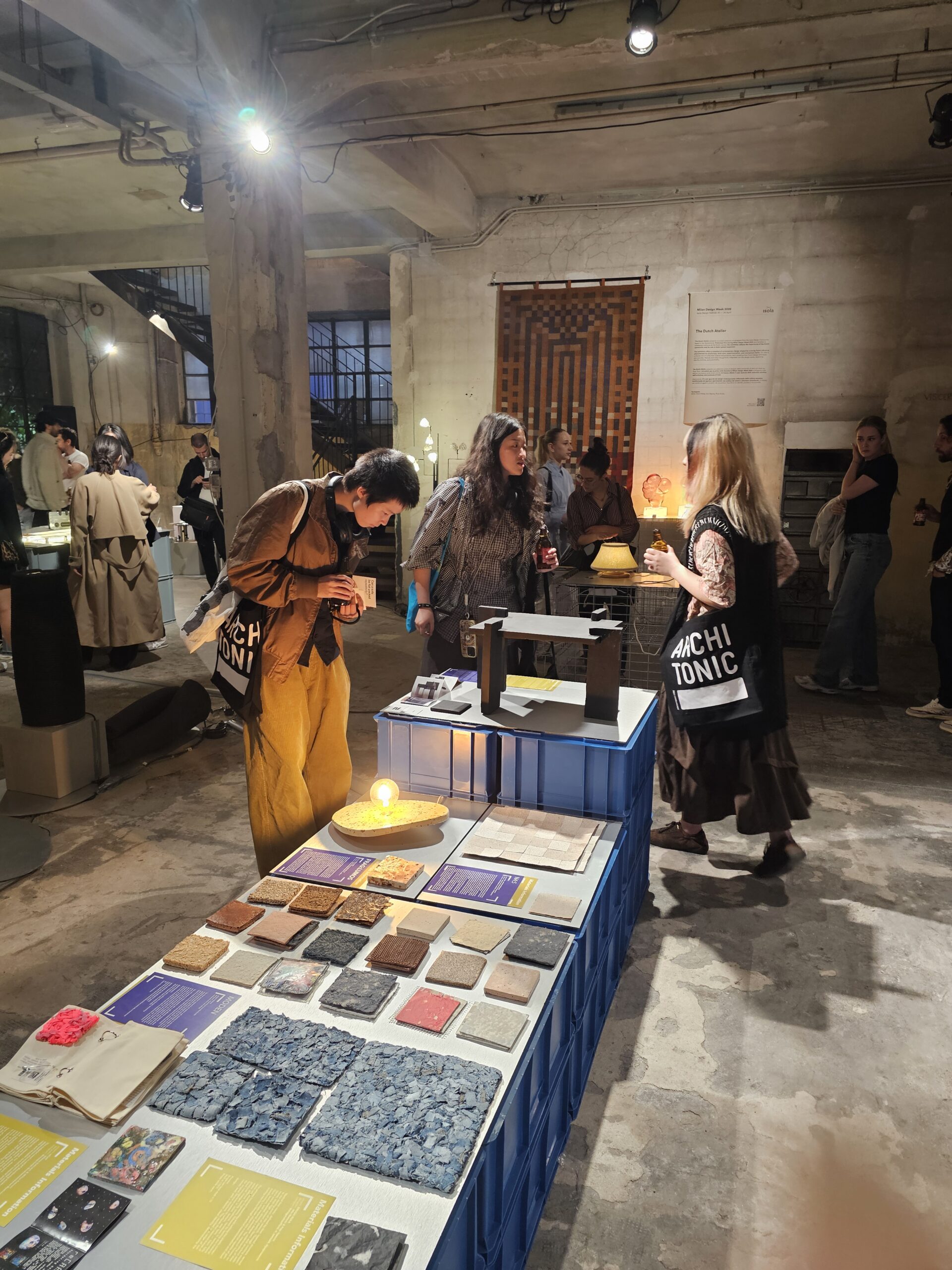
A notable achievement of the Faculty is its participation in the renowned Milan Design Week (Isola.design), where a team of 14 students successfully passed multiple selection stages and got the opportunity to present the results of their research as part of the collective exhibition No Space for Waste at the Isola Design Festival, hosted in Fabbrica Sassetti, Milan.

One of the key research aspects carried out at the Faculty of Architecture is focused on exploring the potential of waste through its reuse in the design process of new products, opening the way for the development of systemic solutions based on its creative potential. Particularly important are the results targeting plastic waste and construction waste, recognized as major challenges, especially in the construction sector. The research has led to the development of experimental materials and design products made from various types of waste and industrial by-products, thereby promoting the most advanced circular practices in the construction sector.

A special part of the research is dedicated to analyzing the potential of red mud from the Aluminum Plant in Podgorica, which represents one of the most toxic sites in the country and a leading environmental issue on national level. The “students’ response” offers a solution through the creation of a new material – Red Mud Block. This material opens a new perspective on the potential of red mud as a construction resource while simultaneously addressing a long-standing ecological challenge.

The results of the work conducted at the Faculty of Architecture will be presented at an national-level event dedicated to creating conditions for innovative digital solutions in circular construction, scheduled by the NGO Zero Waste Montenegro in May 2026 in Podgorica, within the framework of the Circular DigiBuild project.

BIM in Montenegro – Current Status and Next Steps

Building Information Modeling (BIM) is recognized as a key tool for the digital transformation of the construction sector, enabling better coordination, error reduction, and time savings throughout all phases of a building’s lifecycle. In Montenegro, however, BIM is still in its early stages of implementation. The market is predominantly composed of micro, small, and medium-sized enterprises with limited resources, while the lack of trained professionals, absence of standardized processes, and weak demand remain major obstacles. At present, BIM is not viewed as a mandatory standard but rather as an individual initiative, which slows down its wider adoption.

Questions about what needs to be done for BIM development in Montenegro are being raised by various national institutions through events and workshops. The Association of Construction and Building Materials, the Institute for Standardization of Montenegro, and the Chamber of Engineers of Montenegro are actively opening dialogue on the digitalization of the construction sector. Discussions focus on the development of national guidelines and standards, professional training, the role of the state in creating demand through public procurement, and the need for targeted financial incentives for small and medium-sized enterprises. It is important to emphasize that these remain proposals and discussions—concrete programs have not yet been established.

A significant step forward was the event held on April 16, 2026, at the Institute for Standardization of Montenegro, organized within the international project InDiCo Global with the support of the European Commission. The workshop brought together representatives from academia, public administration, and industry, with the aim of opening dialogue on the digital transformation of the construction sector. International experts presented modern practices and standards, with a particular focus on the practical application of BIM. The inputs collected during the workshop will serve as the foundation for developing a national BIM roadmap.

According to information published by the Institute for Standardization of Montenegro, further activities are planned in the coming period, including professional workshops, consultations, and the development of guidelines for BIM implementation. Study visits are also scheduled—for example, the national BIM team will participate in a visit to the Czech Standards Agency in May 2026, as well as in the plenary session of the technical committee CEN/TC 442 in Vienna on June 11, 2026. Upcoming highlights include the Conference on BIM Standards (May 14, 2026) and the Training of Trainers in BIM Technologies (May 14–15, 2026).

Looking ahead, BIM in Montenegro is still seeking its path toward systematic adoption, but the ongoing dialogue, international cooperation, and planned activities provide a strong foundation for it to become a standard practice in the construction industry in the years to come.

Montenegro Opens Call for Participation in EUREKA 2026 Projects

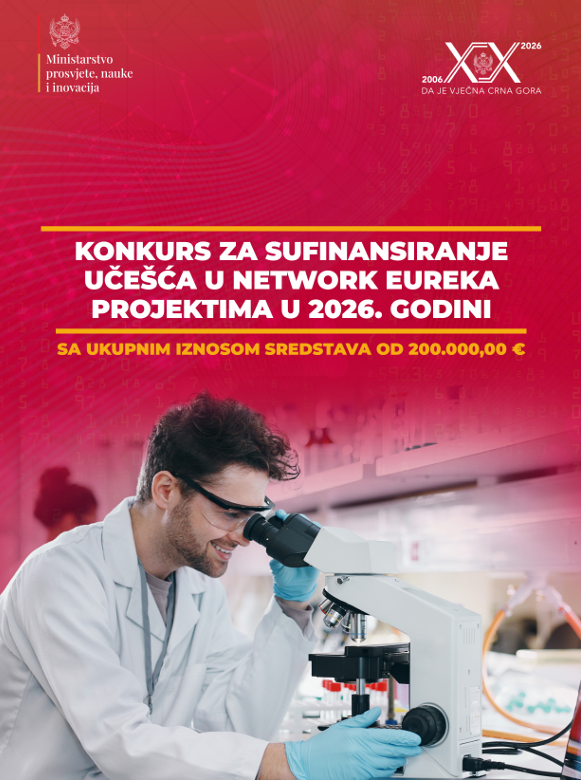
The Ministry of Education, Science and Innovation of Montenegro has launched a competition for co‑financing participation in Network EUREKA projects in 2026. The program is designed to strengthen the country’s innovation ecosystem by supporting research institutions and small and medium‑sized enterprises (SMEs) in joining international collaborations.

The call provides up to €50,000 per project per research year, with a total budget of €200,000. Eligible projects must focus on research or the development of innovative products, processes, or services with clear commercialization potential. Expected outcomes include new products, technologies, prototypes, improved existing solutions, software systems, or new methods.

By encouraging cooperation with international partners, the initiative aims to boost Montenegro’s innovation capacity and foster greater integration into global research and development networks. Moreover, such call allows SMEs and research institutions to partner with organizations from the EUREKA countries within Danube Region, including Austria, Bulgaria, Croatia, Czech Republic, Germany, Hungary, Romania, Slovakia, Slovenia, Serbia, and Ukraine. This opens the door to continue cross‑border innovation collaborations for DigiBuild project partners in the field of circular and digital construction.

Applications are open until 5 November 2026 at 15:00 CET, and all details are available here: https://www.gov.me/clanak/konkurs-za-sufinansiranje-ucesca-u-network-eureka-projektima-u-2026-godini

The Chamber of Economy of Montenegro invites local construction and building companies to join the international Building Trade Fair SEEBBE

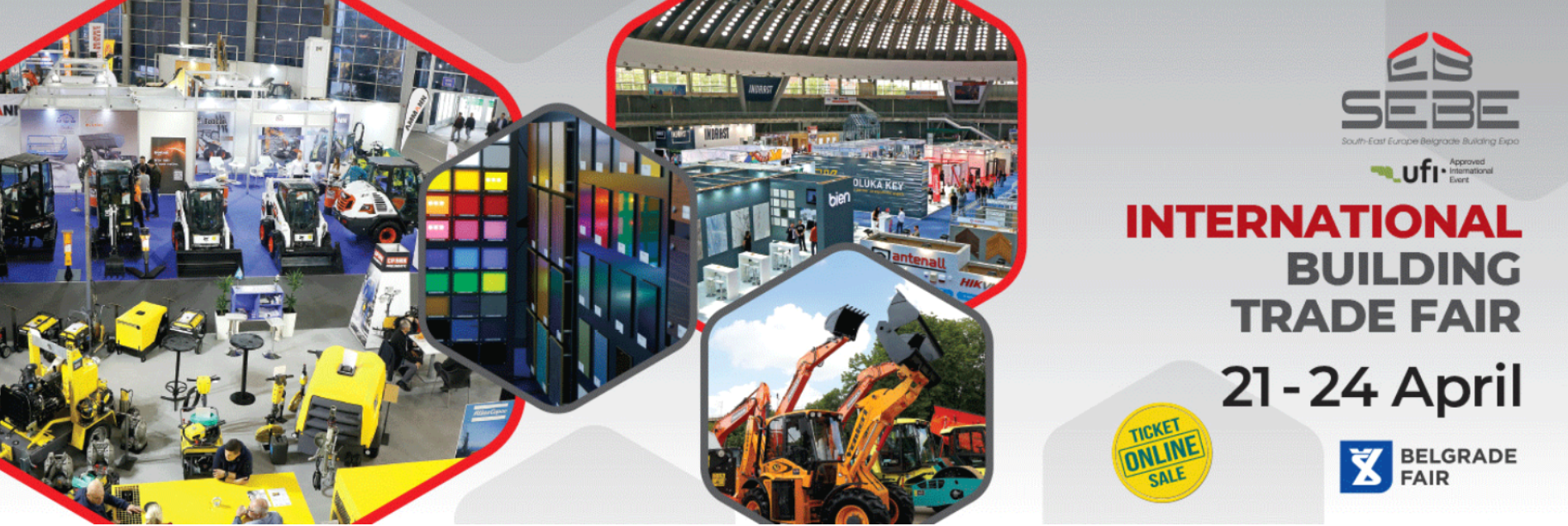
The Chamber of Economy of Montenegro is coordinating the participation of Montenegrin companies at the leading event in the construction sector – the 50th International Building Trade Fair SEEBBE which will be held from 21 to 24 April 2026 in Belgrade (www.sajamgradjevine.rs). Recognized as the premier specialized fair for the construction industry in Southeast Europe, SEEBBE features strong international representation, numerous professional workshops, and opportunities to explore the latest market innovations, technologies, and trends in both high-rise and civil engineering.

The event brings together architects, engineers, contractors, investors, and representatives from the construction materials sector, including leading regional and international companies.

To strengthen international cooperation, the Chamber of Economy of Montenegro invites local construction and building companies to join the national stand. The goal is to foster stronger business partnerships between Montenegrin and foreign firms, thereby enhancing Montenegro’s collaboration with other countries. In this regard, the Chamber is pleased to cover the costs of renting and equipping the stand for Montenegrin participants and warmly invites local construction companies to take part in SEEBBE 2026 by submitting via the provided LINK.